Section No. 04 · 4 articles
Translating Kafka
How German becomes English — and what gets remade, distorted or rescued in the crossing.
- 01 Willa and Edwin Muir Brought Him Into English Describes how the Muirs' translations from the 1930s shaped the English-language Kafka for decades — and what choices they made, deliberately or by convention, that later translators have revisited. 3 min
- 02 One Sentence, Four English Versions Takes a single sentence from Die Verwandlung and sets four published English versions side by side — a practical comparison that shows exactly where translation is interpretation and where it is something else. 6 min
- 03 The Word Kafka Used Was Not 'Insect' Examines the German Ungeziefer — an unclean animal unfit for sacrifice, without a single English equivalent — and why every translation of Die Verwandlung is forced to make a decision Kafka himself refused to make. 2 min
- 04 Why Translators Keep Coming Back An argument about what drives retranslation — not correction of error but a genuine interpretive restlessness in texts that contain more than one reading — using Kafka's work as the case. 2 min
Continue · elsewhere in the archive
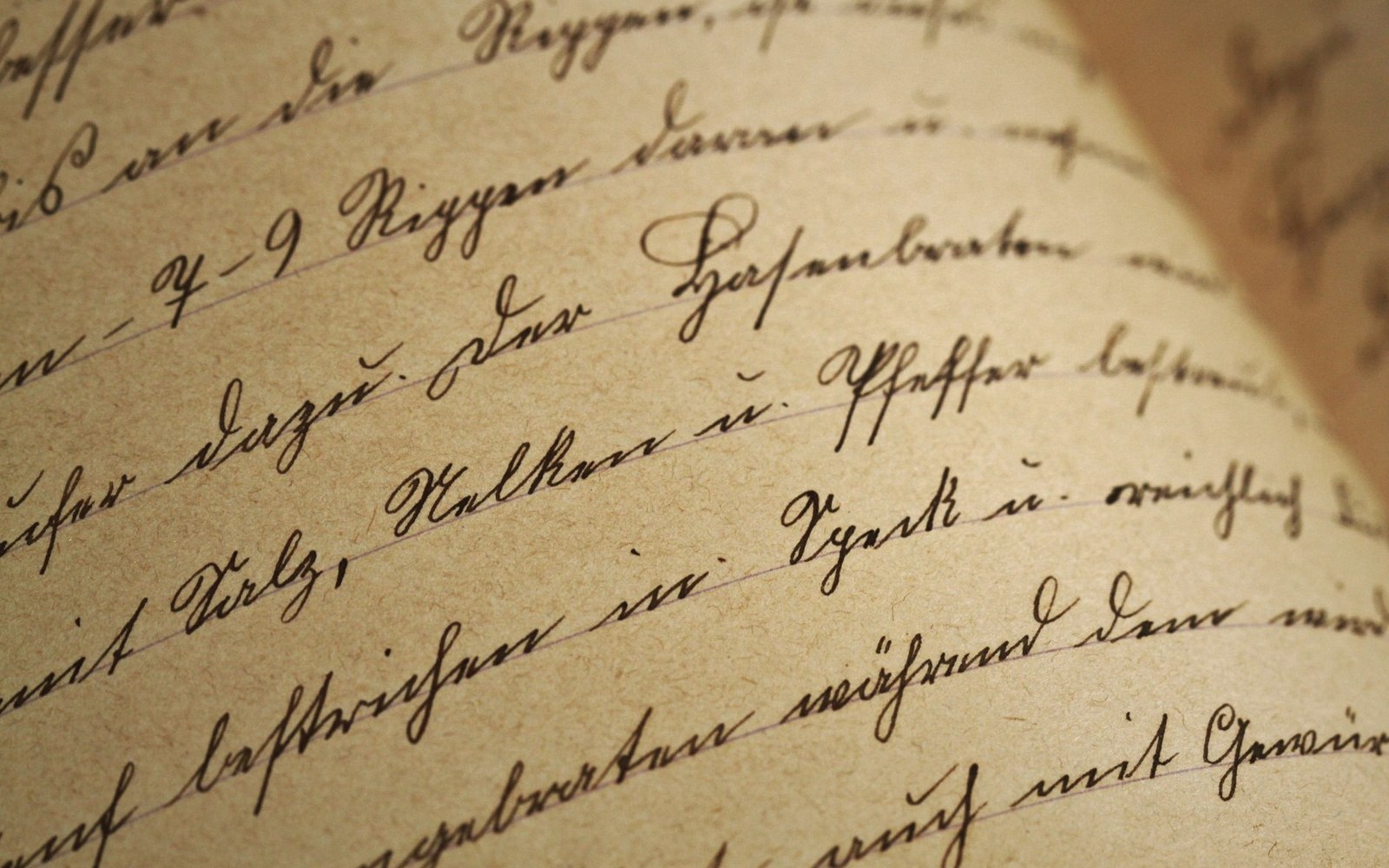
The Work
The Trial Was Never Finished
Examines what it means to read a novel that Kafka left without a final order — which chapters go where, and what the incompleteness does to Josef K.'s story.
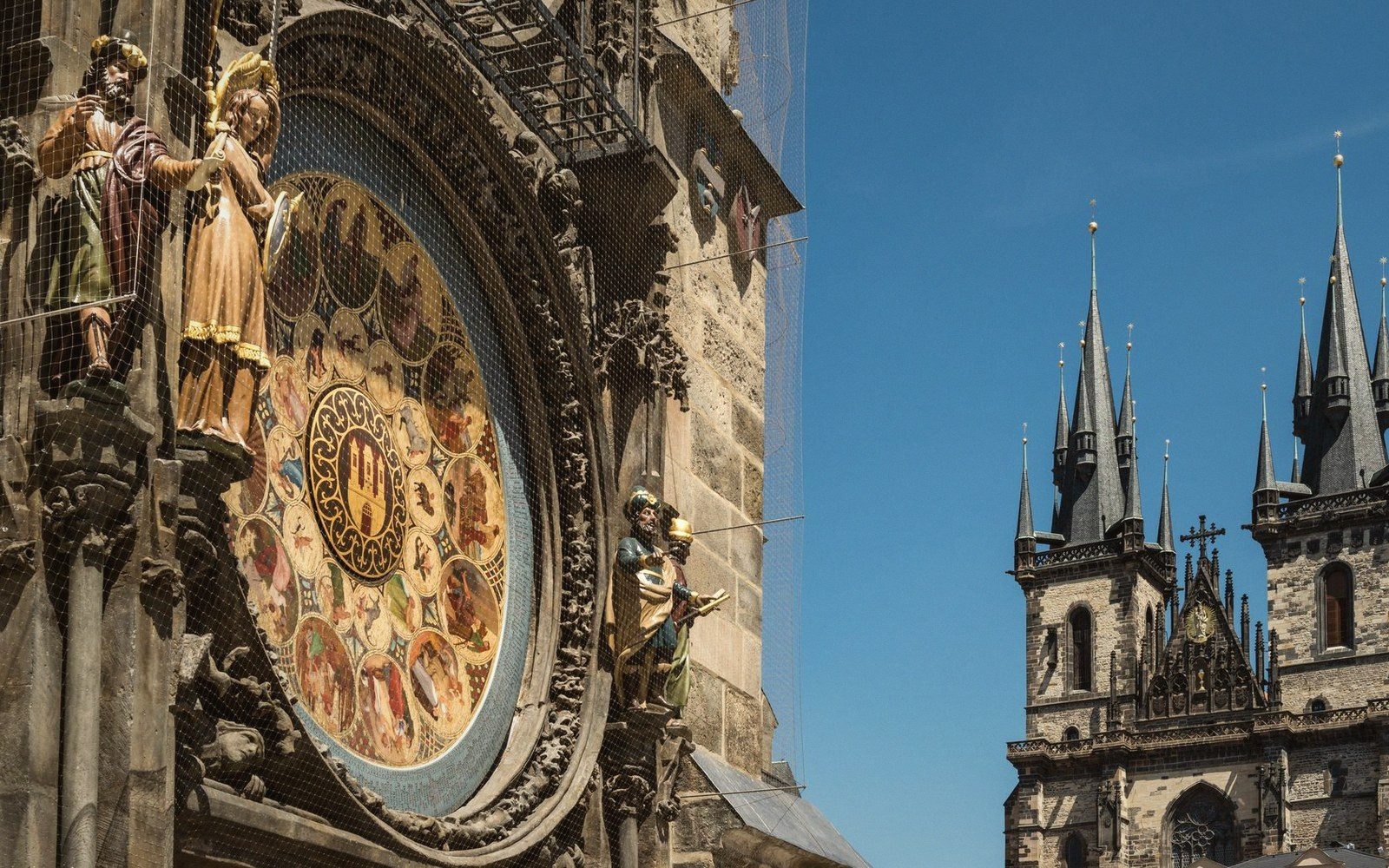
Prague
Old Town Square: The City He Walked Through Every Day
Describes the geography of central Prague that Kafka moved through — from family apartments to the insurance office to the cafés where the writers met — using contemporary accounts and his own diary entries.

The Letters
Five Years of Letters to a Woman He Almost Married
An overview of the Felice Bauer correspondence — its scale, its intensity, and what it reveals about how Kafka understood the conflict between writing and a shared life.