Section No. 01 · 6 articles
The Work
The novels, the stories, the parables — what they do on the page and why they resist summary.
- 01 The Trial Was Never Finished Examines what it means to read a novel that Kafka left without a final order — which chapters go where, and what the incompleteness does to Josef K.'s story. 5 min
- 02 The Castle Never Turns You Away — It Simply Stays Out of Reach A close reading of the opening movement of Das Schloss and how the village functions as a system of deferrals. 4 min
- 03 Everything Is in the First Sentence Takes the opening of Die Verwandlung as its entire subject — what Kafka announces, what he withholds, and why the transformation itself is never the point. 3 min
- 04 The Burrow: A Mind Turned Inside Out Looks at 'Der Bau' — written in the last year of Kafka's life and never completed — as a piece of sustained interior monologue in which the narrator's paranoia is also its own plot. 4 min
- 05 Parables That Refuse to Explain Themselves Surveys the short prose pieces — 'Vor dem Gesetz', 'Eine kaiserliche Botschaft', 'Auf der Galerie' — as a distinct form, not failed novels but complete things. 2 min
- 06 Amerika: The Novel That Doesn't Fit Makes the case that Der Verschollene (published as Amerika) is genuinely different in tone and structure from the other two novels — lighter, stranger, more picaresque — and that flattening it into the Kafka template misses what it is. 2 min
Continue · elsewhere in the archive
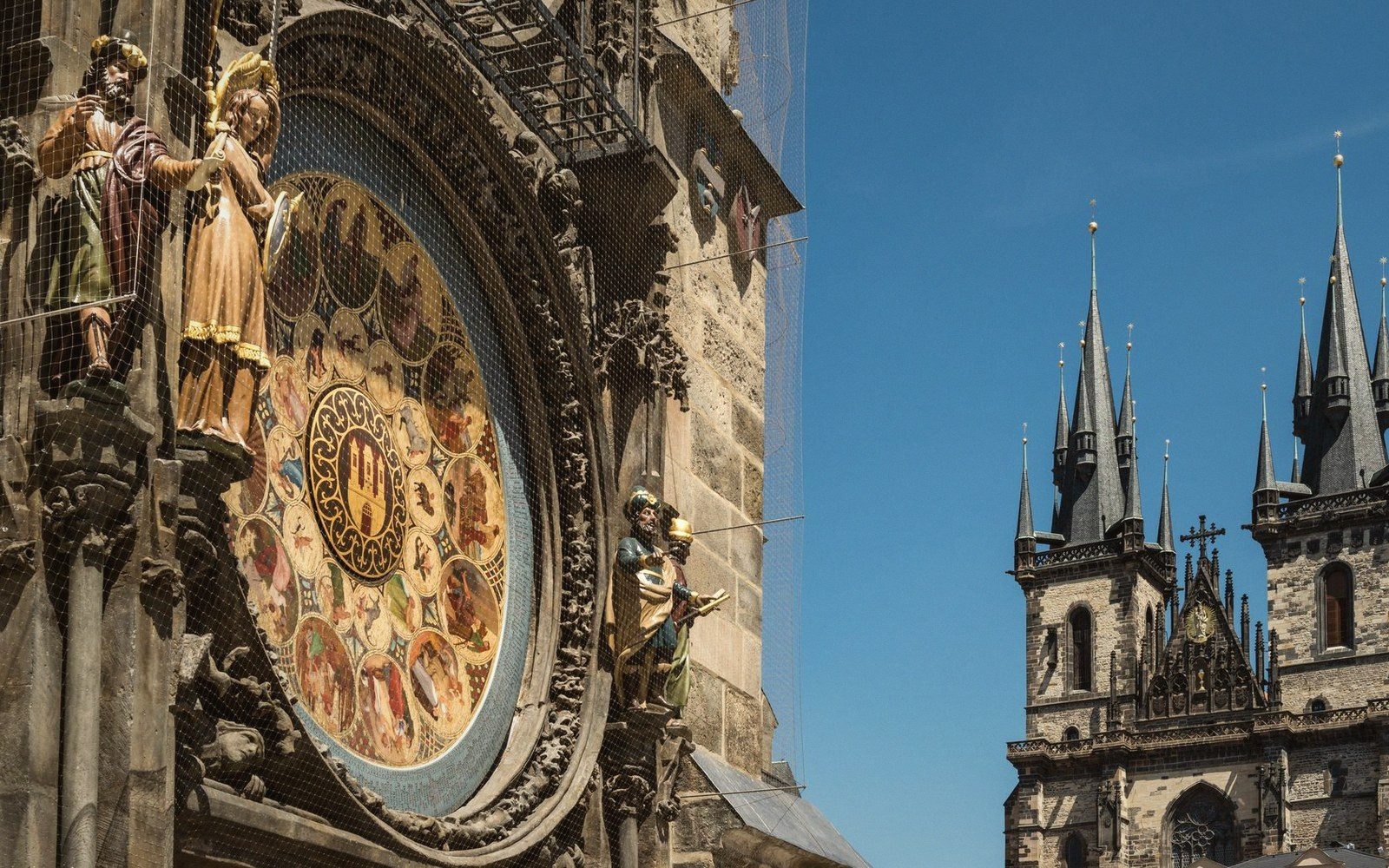
Prague
Old Town Square: The City He Walked Through Every Day
Describes the geography of central Prague that Kafka moved through — from family apartments to the insurance office to the cafés where the writers met — using contemporary accounts and his own diary entries.

The Letters
Five Years of Letters to a Woman He Almost Married
An overview of the Felice Bauer correspondence — its scale, its intensity, and what it reveals about how Kafka understood the conflict between writing and a shared life.
Translating Kafka
Translating Kafka
Willa and Edwin Muir Brought Him Into English
Describes how the Muirs' translations from the 1930s shaped the English-language Kafka for decades — and what choices they made, deliberately or by convention, that later translators have revisited.