An unofficial archive, and what that means
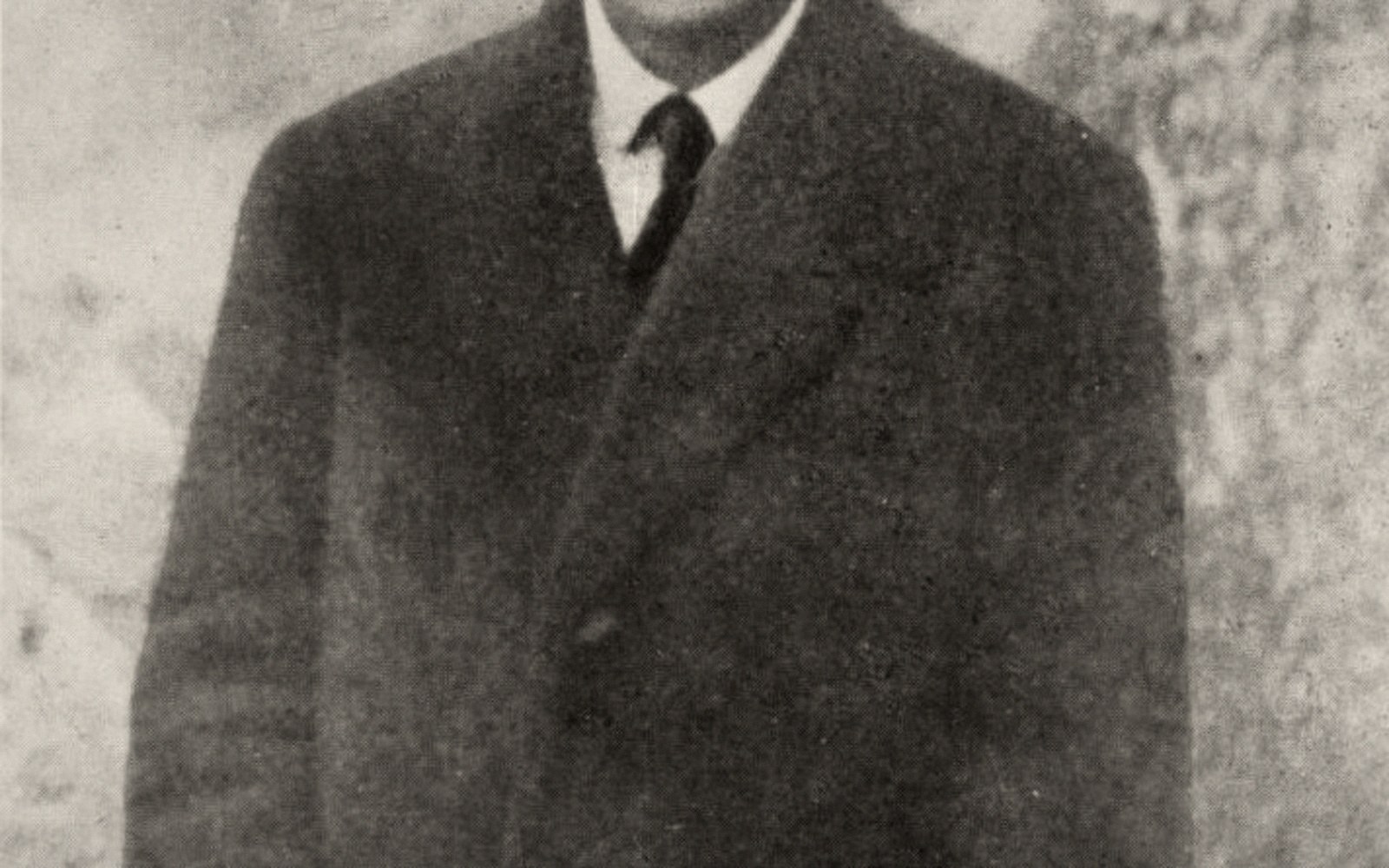
Kafka Garden is an independent enthusiast archive of Franz Kafka's work. It is not an institution. It holds no manuscripts, issues no editions, and speaks for nobody. The name is ours; Kafka did keep a garden at intervals, but we would not build a claim on it.
What is here
Twenty-five articles across five sections, filed by the Prague addresses where the work happened. The organising idea is simple: the life took place inside a few hundred metres of one square, and reading the work against the places it was written in explains more than a chronology does.
The rules we hold ourselves to
- No invented quotations, letters, diary entries or biographical facts. Every quotation is attributed to the work or letter it comes from.
- German titles first, with the English title given at first use. Where a title in English is an editor's invention rather than Kafka's — Amerika, for one — the article says so.
- Translations are named. The German texts are in the public domain; the English versions are not, and the translator is credited wherever a version is quoted or discussed.
- Where the scholarship disagrees, the article says that it disagrees rather than picking a winner quietly.
- Photographs are captioned with their source. Where an attribution is uncertain, we say so instead of guessing.
What is not here
No merchandise, no tours, no manuscripts for sale, and no claim of any connection to the Kafka estate, the Franz Kafka Society, any museum, or any publisher. If you are looking for the official holdings, they are at the institutions that actually keep them — this site is a reader's companion, not a substitute.
Corrections
If something here is wrong, we would rather know. See Contact & corrections.